How Feedback Changed the Way I Take Photos

Hi, I am Daniel. I work an office job and take photos on weekends. I am still learning.
I usually take photos after work, when my head is still full of unfinished tasks and half-answered emails. I leave the office later than I plan to, walk the same streets, and notice the same storefronts without really seeing them. Some nights I bring my camera out of habit. Other nights it stays in my bag the whole way home. I never really decide ahead of time.
Photography started as something that felt easy. I did not think about it much. I liked the act of taking pictures and the excuse it gave me to slow down for a few minutes. I could point the camera, adjust a couple of settings, and press the shutter. The photos looked fine. That was enough to keep going, even when I could not explain what I was trying to do.
Over time, though, I noticed a quiet gap forming. In the moment, taking a photo felt satisfying. Later, when I looked at the image on my screen, that feeling faded. The photos were not terrible. They just felt thin, like they did not carry the weight I remembered. I blamed being tired. I blamed bad light. Sometimes I blamed the camera. None of those explanations really stuck.
I did not talk about this much because photography was supposed to be the simple part of my life. Work already asked enough questions. I did not want another thing that needed fixing. Still, the frustration showed up in small ways. I stopped printing photos. I shared fewer of them. I would scroll through my folders and feel strangely disconnected from everything I had made.
Joining a site where people commented on photos was not a planned move. It happened late one night when sleep was not coming easily. I told myself I was just curious. I uploaded a couple of images that I did not feel strongly about. That felt safer somehow, like I was testing the water without stepping all the way in.
When the first comments appeared, I felt exposed in a way I had not expected. These were strangers who knew nothing about me. They did not know how rushed I had been or what the scene felt like in person. They only saw what was in the frame, and that made their words feel heavier than I thought they would.
The comments were not cruel. That almost made it worse. People mentioned things I had not noticed. Someone said the image felt rushed. Another person said they were unsure where their eyes were supposed to land. Someone else pointed out a bright edge pulling attention away. I read the comments slowly, then again faster, then once more before going to bed.
My first reaction was defensive, even though no one was attacking me. I caught myself forming explanations in my head. The light was fading. I only had a minute. It looked different in person. I did not type any of that, but the urge sat there anyway. Closing the browser felt easier than sitting with the discomfort.
Over the next few days, the comments kept resurfacing at odd moments. Standing at the copier at work, waiting for a jam to clear, a phrase would pop back into my head. Walking home, another one would. I did not like how persistent they were. I also did not like that I could not dismiss them as wrong.
I posted again, this time a photo I cared about a little more. Waiting for feedback felt longer than it should have. When it arrived, the same tight feeling came back. Some comments echoed what I had already heard. Others went in directions I did not expect. A few people liked the image. That helped, but not as much as I thought it would.
What bothered me most was not any single comment. It was the fact that I could not tell which ones mattered. Everyone sounded reasonable. Everyone seemed to be seeing something different. I did not know how to sort through it without either ignoring most of it or trying to fix everything at once. Both options felt wrong.
I started noticing how quickly I wanted certainty. I wanted someone to tell me what worked and what did not. I wanted rules. Instead, I got opinions that overlapped and contradicted each other. Sitting with that uncertainty felt uncomfortable in a way I was not used to.
At the same time, I kept reading comments on other people’s photos. That felt safer. I could agree or disagree without the same emotional charge. I noticed patterns there, but I was not sure how they applied to my own work, or if they applied at all.
There were moments when I wondered if joining had been a mistake. Photography had been simpler when it was just me and the camera. Now it felt tangled up with other people’s reactions, and I was not sure I wanted that. Still, quitting felt like avoiding something important, even if I could not explain what that was yet.
So I stayed. Not confidently. Not comfortably. I kept posting just enough to remain unsettled, unsure whether this process was helping or quietly making things harder.
After a while, posting photos became part of a quiet routine I never talked about. I would take pictures on my way home, let them sit untouched for a day or two, then look at them late at night when the apartment was finally still. I almost always knew which ones I would upload. Not the best ones. The ones I felt the least connected to. It was a way of protecting myself, even if I did not admit that at the time.
That protection never really worked once people started responding. I could tell myself I did not care much about a photo, but the moment someone pointed out a flaw, my body reacted anyway. My shoulders tightened. My jaw clenched. It surprised me how physical the reaction was. I was just sitting at a desk looking at a screen, yet it felt personal every time.
Certain words showed up again and again in the comments, and I did not know what to do with them. People talked about focus, intention, balance. These were things I associated with effort and planning. I thought I had been doing that already. The fact that it was not showing up made me wonder if I had been moving on instinct alone, without actually paying attention.
Sometimes I would open a photo in full screen and stare at it, trying to see what others were seeing. I would trace the edges with my eyes. I would squint. I would lean back in my chair. Occasionally, something clicked and I could see the distraction or imbalance they mentioned. Other times, I felt like we were looking at completely different images. That gap unsettled me more than outright criticism.
At work, I started noticing how often I rushed through things just to get them done. Emails sent too fast. Decisions made without thinking. Meetings half listened to. I wondered if the same impatience showed up in my photos. That thought bothered me because it suggested the issue was not just technical. It suggested it was habit.
I tried to slow myself down when shooting, but that was harder than it sounded. I would tell myself to pause, then catch myself pressing the shutter anyway. Slowing down felt awkward, like I was pretending to be someone more thoughtful than I actually was. The results were mixed. Some photos felt more considered. Others felt stiff, like I had overcorrected.
There was a stretch where I almost stopped posting altogether. Work got busy. Days blurred together. Photography slipped to the edges of my life again. Part of me felt relieved. Another part felt disappointed, even though I could not explain why. On weekends, I still brought my camera along, but I shot less. When I did, it felt automatic, like muscle memory without intention.
What pulled me back was not a breakthrough moment. It was boredom mixed with curiosity. One night, scrolling through the site, I spent a long time reading comments on someone else’s photo. The feedback was careful and specific. People described what they noticed, what confused them, and what stayed with them. No one rushed to praise or dismiss it.
The photographer replied with short responses. No explanations. No defensiveness. Just acknowledgments. I read the exchange more than once. It did not inspire me in the usual sense. It made me wonder what it would feel like to stay that open, even when feedback felt uncomfortable. I was not sure I could do that, but the idea stuck with me.
When I posted again, I chose a photo that made me uneasy. Not because it was bad, but because I was not sure what it was doing. It felt unresolved, like it was pointing at something without naming it. Uploading it felt riskier than posting something polished. I hovered over the button longer than usual before clicking it.
The comments came in slowly. Some people admitted they were unsure how to respond. A few asked questions instead of making statements. That caught me off guard. No one told me what to fix. Instead, they described their experience of looking at the image. Where their eyes went. What distracted them. What lingered.
Reading those comments felt different. I still felt exposed, but there was less of that sharp edge. I noticed I could listen without immediately forming a defense. I did not feel the same urge to explain myself. That surprised me. It made me realize how much of my earlier resistance came from feeling judged rather than actually misunderstood.
Even so, the uncertainty deepened. I still did not know what to do next. If anything, the lack of clear direction made things feel messier. I started noticing how often I wanted someone else to tell me whether a photo worked. Sitting with not knowing felt uncomfortable, but it also felt honest.
I paid closer attention to how I moved through scenes before shooting. I noticed how quickly I defaulted to familiar angles. How rarely I moved my feet. How often I settled for the first version of a moment instead of waiting. These were not dramatic realizations. They were small and slightly embarrassing.
The process was not making photography easier. It was making it more complicated. But the complication felt alive. It felt like something was actually happening, even if I could not see where it was leading yet. That was new.
I was still unsure whether all of this effort would lead anywhere. I still missed the simplicity of shooting without thinking about other people’s reactions. But I could not ignore what I had started to notice, and going back to the old way of working felt impossible.
There was a point when I realized I was thinking about photography even when I was not holding a camera. That was new, and it made me uneasy. I did not want this to turn into another mental obligation, something else that followed me around during the day. I already had enough of those. Still, the thoughts kept slipping in.
On my commute, I would notice how people grouped themselves without meaning to. Someone always stood just outside the cluster, scrolling on their phone. Someone else leaned against a pole instead of holding it. I caught myself framing these moments in my head, not to capture them, but to understand why they felt different. That kind of noticing felt intrusive, like I was overanalyzing things that used to pass by unnoticed.
At the office, my days were predictable. Same desk. Same chair. Same low hum of conversations drifting over the cubicle walls. I started seeing how cluttered my workspace was, how papers and sticky notes pulled my attention in different directions. The thought made me uncomfortable because it echoed what people had been saying about my photos. Too many things competing. No clear center.
I did not rush to fix it. Part of me resisted the idea that everything needed improvement. I worried that constantly adjusting would drain whatever quiet enjoyment photography still had for me. There was a stubborn part of me that wanted to believe instinct alone should be enough.
That resistance showed up when I tried to slow down while shooting. I would tell myself to wait, then feel impatient almost immediately. Waiting felt unnatural, like standing still in a place meant for walking through. I worried about missing moments while I hesitated. I worried about overthinking and freezing up.
When I looked back at the photos from those slower attempts, the results were inconsistent. Some felt more deliberate. Others felt awkward, like I had interrupted my own rhythm. It made me question whether slowing down was actually helping or just another idea I was forcing onto myself.
I posted fewer images during this time. Not because I was done, but because I did not know what I wanted feedback on anymore. Posting felt heavier when I could not name my own intention. I worried that asking for comments without clarity was unfair to the people looking at my work.
Despite that hesitation, I kept reading critiques on other photos. I noticed how often people described where their eyes moved first. How often they mentioned distractions that pulled them away from what mattered. These observations started to feel less abstract. I could see them playing out in my own images, even when I did not want to admit it.
I also noticed how different my reactions were depending on the tone of the feedback. Comments that described experience felt easier to absorb. Comments that sounded like instructions made me tense up, even when they were well intentioned. That reaction told me something about myself I had not fully acknowledged yet.
There were nights when I reopened old uploads and read through the comments again. Not to fix anything, just to see them with more distance. Time softened some of the sting. Patterns became clearer. Certain issues showed up repeatedly across different photos. That realization was uncomfortable, but it was hard to ignore.
I resisted the urge to overhaul everything at once. Part of me wanted to start fresh, to pretend those earlier photos did not exist. Another part knew that erasing the past would not actually change how I worked. I needed to understand it first.
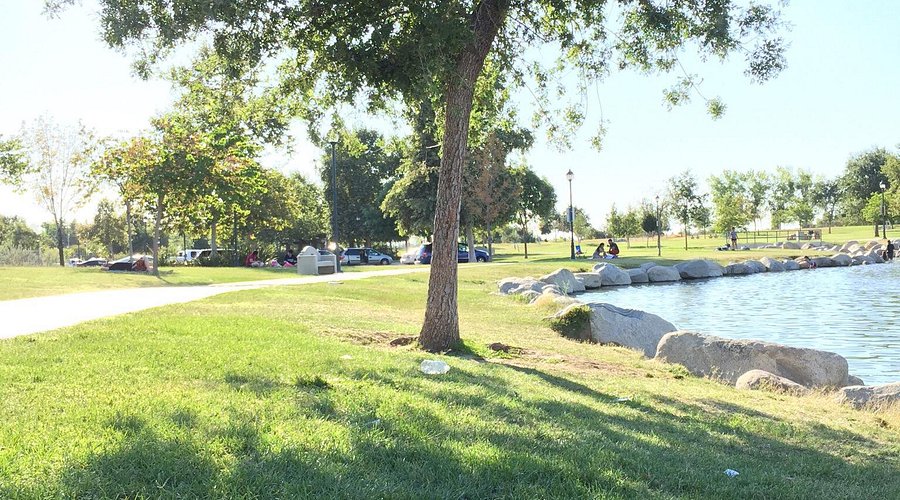
On one walk through a park near my apartment, I stood longer than usual watching light shift across the path. People passed through the frame and disappeared again. I raised the camera, lowered it, then raised it again. I noticed how often I defaulted to the same height, the same distance. Moving felt risky for reasons I could not explain.
When I finally took the photo, it did not feel satisfying. It felt tentative. I checked the screen and felt unsure all over again. The image was quieter than what I usually shared. Less obvious. I could not tell if that meant it was closer to what I wanted or further away.
Back home, I debated uploading it. Posting felt like exposing uncertainty instead of effort. That was uncomfortable in a different way. Eventually, I uploaded it without thinking too much and closed the browser right away.
The responses were thoughtful but varied. Some people connected with the stillness. Others felt disconnected. A few admitted they were unsure what the image was asking of them. That phrase stayed with me. Asking something of the viewer. I had never framed it that way before.
I did not know how to act on that idea yet. I only knew it changed how I thought about what I was doing. Photography was no longer just about capturing what I saw. It was about what I was inviting someone else to notice.
That realization did not bring clarity. It added weight. It made the process feel more intentional and more fragile at the same time. I felt caught between wanting simplicity and knowing I had already moved past it.
I was still unsure where this was leading. I still questioned whether sharing my work publicly was worth the emotional cost. But something had shifted in how I paid attention, and that shift did not feel reversible.
By this point, photography no longer felt like something I did casually. That realization bothered me more than I expected. I had not meant for it to become serious, or at least not demanding. I missed when it was just something I reached for when I had extra energy. Now it felt like it followed me even on days when I wanted to ignore it.
I noticed how often I delayed taking photos, even when something caught my eye. I would pause and second-guess myself before lifting the camera. Sometimes the moment passed while I was still thinking. That hesitation felt like a loss, even if I could not say what I had lost. I wondered if paying more attention was making me slower in the wrong way.
There were times when I wished I could go back to not caring. To shooting without worrying whether an image made sense to anyone else. But once I noticed how my choices shaped what others experienced, I could not unsee it. Ignoring that felt dishonest, even if it would have been easier.
At work, the days felt heavier than usual. I sat through meetings and caught myself drifting, thinking about photos I had taken days earlier. Not because they were good, but because something about them felt unresolved. I replayed small decisions in my head. Where I stood. What I cut out. What I left in without noticing.
I realized how often I avoided making clear choices. I liked ambiguity because it protected me. If a photo was unclear, I could always say that was the point. That realization was uncomfortable. It suggested that some of my uncertainty was intentional, a way of avoiding commitment.
This became obvious when I looked back at my archive. There were many images that hovered between ideas. They hinted at something but never quite landed. I had always thought of that as subtlety. Now I was not so sure. I wondered how often subtlety was just indecision dressed up nicely.
I did not rush to change my approach. I watched myself instead. On walks, I noticed how quickly I defaulted to familiar framing. How rarely I moved closer. How often I stood at a safe distance, both physically and emotionally. Seeing that pattern made me uneasy.
When I did push myself to move, it felt awkward. I worried about being noticed. I worried about looking foolish. These were not concerns I had connected to photography before, but they were there, shaping my choices. I had to admit that taking photos in public carried a vulnerability I had not fully acknowledged.
Posting during this period felt especially uncomfortable. I shared fewer images, and when I did, I waited longer before uploading. I wanted to be sure I understood what I was putting out there. At the same time, waiting sometimes drained the energy from the image. The delay made me doubt myself.
The comments continued to be thoughtful, but they did not offer easy answers. Some people responded to images I felt unsure about. Others felt disconnected from photos I thought were clearer. That inconsistency frustrated me. I wanted the feedback to line up with my intentions, but it rarely did.
I started paying closer attention to how feedback made me feel instead of what it said. Some comments lingered for days. Others slid off almost immediately. The ones that stayed were not always the most detailed or insightful. They were the ones that touched something I had already been avoiding.
I also noticed how my mood affected how I received feedback. On tired days, even gentle comments felt heavy. On better days, I could read the same words with curiosity instead of tension. That made me realize how much of this process depended on my own state of mind.
There were moments when I wondered if I was asking too much of myself. If turning photography into a space for self-examination was unnecessary. Plenty of people took great photos without overthinking every decision. I questioned whether I was complicating things just to feel productive.
Still, something kept me engaged. Not excitement, exactly. More like a quiet pull. Even when I felt frustrated, I did not feel done. The questions raised by feedback lingered longer than the satisfaction of praise ever had.
On one evening walk, I stopped in the same park I had photographed many times before. Nothing looked particularly interesting. The light was flat. The space felt ordinary. I almost walked through without lifting the camera.
Then I noticed how people moved through the space without looking at each other. Each person stayed inside their own small orbit. I stood there longer than usual, watching. The moment did not feel dramatic, but it felt honest.
I took a single photo and put the camera away. I did not check the screen. I did not know yet whether it worked. All I knew was that I had finally stayed long enough to notice something I usually passed by.
That did not feel like progress. It felt like standing at the edge of something without stepping forward. I was still unsure what to do with that feeling. But I could tell that whatever was changing was happening slowly, and I was no longer rushing to make it stop.
Around this time, I started to notice how uneven my relationship with photography had become. Some days I felt drawn to it, curious and alert. Other days I felt resistant, almost irritated by the idea of picking up the camera. The swings were subtle, but they were there, and they made it hard to trust my own motivation.
I realized that a lot of my resistance showed up before I ever left the apartment. I would stand near the door, camera in hand, debating whether to bring it at all. Carrying it felt like making a promise I was not sure I wanted to keep. Leaving it behind felt like relief mixed with regret.
When I did go out with the camera, I noticed how much pressure I put on myself without saying it out loud. I expected every walk to produce something worth sharing. If nothing stood out, I felt disappointed, even though I had not named that expectation ahead of time. It took me a while to admit that I was quietly measuring every outing by results.
The feedback loop made this harder. Posting meant opening myself up again, even when I was already unsure. There were nights when I hovered over the upload button, then closed the browser instead. Not because the photo was bad, but because I did not know how I felt about it yet.
I began to notice that the photos I avoided sharing were often the ones that unsettled me the most. They were quieter, less obvious, and harder to explain. I worried that sharing them would expose how unsure I was, not just about the image but about my direction.
At the same time, I started to feel restless with images that felt too easy. Photos that landed cleanly and received quick approval left me strangely empty. I appreciated the positive responses, but they did not stay with me. They did not raise questions. They did not pull me back in.
This was confusing. I had always assumed that improvement would feel encouraging, even energizing. Instead, the moments that stayed with me were the uncomfortable ones. The photos that sparked mixed reactions. The comments that made me pause instead of nod along.
I tried to tell myself this was normal, that growth was supposed to feel uneven. That did not stop the doubt from creeping in. I worried that I was mistaking discomfort for depth. I worried that I was chasing complexity just to feel serious.
There were evenings when I scrolled through other people’s work and felt a familiar mix of admiration and frustration. Some photographers seemed so sure of what they were doing. Their images felt cohesive, intentional. I wondered how long it had taken them to get there, or if they had always seen the world that way.
I caught myself comparing my work to theirs, even though I knew better. Comparison rarely helped. It only made my own images feel scattered and small. Still, the habit was hard to break.
At work, I noticed a similar pattern. I avoided tasks that required clear decisions and gravitated toward ones that let me stay busy without committing. That parallel was uncomfortable. It suggested that my uncertainty in photography was not isolated. It was part of how I moved through things when clarity felt risky.
I started paying attention to moments when I felt most engaged while shooting. It was rarely when something dramatic happened. It was often when nothing seemed to be happening at all. A pause. A small shift. A quiet alignment that did not announce itself.
Those moments were easy to miss if I rushed. They required staying longer than felt efficient. Standing in one place. Letting the scene unfold without trying to force it. That patience still felt unnatural, but I could sense its value even when I struggled with it.
Posting images born from those moments felt especially vulnerable. They did not come with clear explanations. I worried people would miss them entirely. I worried I was asking too much of the viewer without offering enough in return.
When feedback came in on those images, it was often slower and quieter. Fewer comments. More uncertainty. Strangely, that did not discourage me the way I expected. It felt honest, like the response matched the image itself.
I did not know yet what to do with that alignment. I only knew it felt different from chasing approval. It felt like listening instead of performing.
There were still days when I wanted to step away entirely. When the effort felt heavier than the reward. On those days, I reminded myself that I was not obligated to figure everything out at once.
Photography was no longer just something I did. It had become a place where my habits, fears, and attention all showed up without asking. I was not sure I liked that, but I was no longer pretending it was not happening.
I stayed with it, even when the questions outnumbered the answers. Not because I was confident, but because walking away felt like leaving something unfinished.
Eventually, I started to recognize the same tensions showing up again and again. They were not dramatic, just persistent. A pull between wanting things to be clear and wanting to stay protected. A habit of hovering instead of choosing. A tendency to stop just short of committing, then wondering why the results felt thin.
Seeing these patterns did not feel empowering at first. It felt uncomfortable, like catching a glimpse of yourself in a mirror you did not know was there. I could not blame bad luck or timing anymore. The choices were mine, even when I made them quietly.
I noticed how often I shot from a distance. How rarely I stepped closer, either physically or emotionally. Staying back gave me room to explain things away later. It also kept the images from feeling fully engaged. Admitting that was harder than adjusting any camera setting.
There were moments when I tried to push through that hesitation deliberately. I moved closer to people. I waited longer before taking the shot. Sometimes it worked. Sometimes it felt forced. Either way, it made me aware of how much discomfort I had been avoiding.
The feedback reflected this unevenness. Some images felt more present and received thoughtful responses. Others still felt guarded, and the comments echoed that distance. The connection between how I shot and how people reacted became harder to ignore.
I stopped looking for comments that told me what to do and started paying attention to how people described their experience. Not because it was easier, but because it felt more honest. Instructions faded. Reactions lingered.
This shift did not bring immediate confidence. If anything, it made me more aware of how fragile my attention could be. A rushed day at work could undo that careful presence in an instant. I learned quickly that awareness did not mean consistency.
There were weeks when everything felt scattered again. When I reverted to old habits without noticing. When feedback stung more than usual. I used to see those moments as setbacks. Now they felt like reminders of how easy it was to drift.
I also noticed how differently I read feedback depending on my own honesty. When I knew I had rushed a photo, comments about lack of focus felt fair. When I had stayed with a moment longer, even critical responses felt useful. The difference was subtle, but it mattered.
That realization stayed with me. It suggested that the most difficult part of this process was not receiving critique. It was being honest with myself before I ever shared the image.
I began spending more time with photos before uploading them. Not editing, just looking. Asking myself quiet questions. Did I rush this? Did I avoid something? Was I staying safe? The answers were not always flattering.
Sometimes I posted anyway. Other times I did not. I learned that choosing not to share could be just as revealing as sharing. Avoidance and restraint started to feel different, even if they looked similar from the outside.
I still struggled with comparison. Seeing cohesive bodies of work from others made my own feel scattered. But instead of spiraling, I started asking what kind of attention those photographers were practicing consistently. That question felt more useful than wondering why I was behind.
The idea of improvement began to change shape. It no longer felt like moving toward a clear destination. It felt more like narrowing the gap between what I noticed and what I actually acted on.
That gap was still wide. I did not pretend otherwise. But I could see it now, and that visibility mattered.
Photography was asking more of me than I expected. It was asking for patience, clarity, and a willingness to stay exposed longer than felt comfortable. I was not sure I was good at any of those things yet.
What surprised me was that I did not want to stop. Even when the process felt slow and demanding, it felt real. The questions it raised were not going away, and I was starting to trust that staying with them mattered more than rushing toward answers.
I was still in the middle of it. Still unsure. Still learning how to listen without shutting down. The confidence I hoped would arrive someday had not shown up yet.
But I could feel that something was forming beneath the uncertainty. Not a solution, but a way of paying attention that felt more grounded than before.
At some point, without any clear marker, the way I approached shooting began to change. Not dramatically. Not in a way I could point to on a calendar. It showed up in smaller choices, the kind that only made sense after they had already happened.
I noticed that I was leaving the apartment with fewer expectations. I still brought the camera, but I no longer treated each walk like a test. If nothing happened, that felt acceptable in a way it had not before. The pressure to produce something worth sharing loosened, just enough to let me breathe.
When something did catch my attention, I stayed longer. Not because I told myself to, but because I wanted to see how it unfolded. I paid attention to what changed and what stayed the same. Light shifted. People moved in and out of the space. My own reaction shifted too.
I became more aware of the moment just before I took a photo. That brief pause where I decided whether to step forward or stay back. Whether to wait or move on. Those decisions still made me uneasy, but they no longer felt invisible.
When I looked at the images later, I could usually tell which ones came from that more attentive place. They were not always better in an obvious way. They were quieter. More specific. They felt less like guesses and more like choices.
Sharing those images still felt vulnerable, but the vulnerability was cleaner. I no longer felt the same urge to explain myself ahead of time. If people misunderstood the photo, that felt like part of the exchange instead of a failure.
The feedback reflected this shift. Comments became less about what I should fix and more about how the image landed. People described what stayed with them, what confused them, what they noticed first. That kind of response felt easier to sit with.
I started to trust that reactions did not need to match my intention exactly to be useful. Even disagreement offered information. It showed me where the image opened up and where it closed down.
This did not mean everything suddenly worked. There were still photos that fell flat. There were still days when I rushed and regretted it later. The difference was that I could see the connection between my attention and the outcome more clearly.
I also noticed that I was less tempted to post immediately. I gave myself time to live with an image before sharing it. Sometimes that distance revealed problems. Other times it confirmed that the photo held up on its own.
Looking back at my older work during this period felt different. Instead of cringing or dismissing it, I could see it as part of a process. Each image showed me where I had been paying attention and where I had not.
This made the archive feel useful instead of embarrassing. It became a record of habits rather than a collection of successes and failures.
I realized that what I had been learning all along was not how to make better photos in a technical sense. I was learning how to listen. To myself first, and then to others.
Listening did not mean agreeing. It meant staying present long enough to understand the reaction before deciding what to do with it. That skill did not come naturally to me. It still does not, honestly.
The process also changed how I gave feedback to others. I became more careful with my words. I focused on describing what I experienced instead of offering corrections. Doing that reinforced the same habit in my own work.
Photography started to feel less like a performance and more like a conversation. One that unfolded slowly, sometimes awkwardly, but honestly.
There was still uncertainty. I still questioned my direction. But the uncertainty no longer felt paralyzing. It felt like part of the work instead of a sign that I was doing it wrong.
I was not finished. I did not feel settled. But I could sense that the way I engaged with feedback had reshaped how I saw my own images and my own process.
That shift did not announce itself as confidence. It showed up as steadiness. As a willingness to stay with the work, even when the answers were not immediate.
It took me a long time to admit that what I was really learning had less to do with the camera and more to do with how I handled being seen. For years, I thought confidence came from getting things right. From approval. From someone telling me I was on the right track. What I did not expect was that listening carefully, even when it was uncomfortable, would steady me in a quieter way.
By the time I noticed this shift, it had already settled in. I was no longer refreshing pages anxiously after uploading a photo. I still cared about the responses, but I was not bracing for impact the way I used to. The comments felt like part of an ongoing exchange instead of a verdict.
I began to understand that photography critique was not about fixing images as much as it was about learning how others experience what I put in front of them. That difference mattered. It meant I could separate my effort from the result without disconnecting from either.
When feedback landed now, I paid attention to what stayed with me after the first read. The comments that lingered usually pointed to something I had already sensed but avoided naming. They did not feel like instructions. They felt like mirrors.
I also noticed that praise felt different. Compliments were still nice, but they no longer defined the value of the work for me. If an image felt clear and intentional, that mattered more than how many people agreed.
This shift changed how I moved through familiar spaces. On my usual walks, I no longer felt pressure to capture something every time. Some days I carried the camera and never took it out. Other days I took one photo and put it away. Both felt fine.
When I did shoot, I trusted my hesitation more. If something felt rushed, I waited. If it felt honest, I did not second-guess it later. That trust did not come from certainty. It came from paying attention long enough to recognize my own patterns.
Sharing still carried risk. I did not lose that awareness. But the risk felt chosen instead of accidental. I knew what I was opening myself up to, and I stayed present for it.
The place where I shared my work became less about validation and more about conversation. Reading thoughtful responses reminded me that people bring their own histories and expectations to an image. I did not need to control that. I just needed to be clear about what I was offering.
Over time, this made me more generous with myself. I stopped treating every photo as proof of progress or failure. Each one became a record of attention. Some days that attention was sharp. Other days it wandered. Both were honest.
I realized that confidence, for me, did not arrive as certainty. It arrived as resilience. The ability to listen without collapsing. To consider without defending. To keep working without needing constant reassurance.
When people ask me now how I improved, I struggle to give a simple answer. There was no single lesson or technique that changed everything. What changed was my relationship with feedback and my willingness to sit with it.
I still seek out thoughtful responses. I still value critique. But I no longer see it as a judgment of my taste or effort. I see it as information about how an image lives outside of me.
That understanding deepened when I spent more time reading and participating in discussions around photography critique as an ongoing practice, not a one-time event. Being part of a space where feedback was taken seriously helped me learn how to listen without rushing to react.
When I look back at my earlier work now, I can see the uncertainty clearly. I can also see the beginnings of attention forming. That makes the archive feel useful instead of embarrassing.
I am still learning. I still post images that miss what I was trying to say. But I no longer feel lost when that happens. I can usually trace it back to a choice I made or avoided.
What surprised me most is how this process improved my confidence instead of shrinking it. The more I listened, the steadier I became. Not louder. Not more certain. Just steadier.
If you are looking for a place where that kind of exchange happens thoughtfully, I have found real value in the way feedback is handled on photography critique pages that focus on experience over instruction. Being part of that ongoing conversation changed how I see my work and myself.
I still walk the same routes after work. The streets have not changed much. What has changed is how long I stay when something catches my eye, and how willing I am to listen when someone else sees something I missed.
That willingness did not come easily. It grew slowly, through discomfort and repetition. But it has stayed with me, and I trust it more than any quick sense of approval I ever chased.
I am not finished. I do not think that part ever ends. But I am no longer guessing blindly. I am paying attention, and that has made all the difference.